

Things to Know Before Constructing a Property in Patna
A professional guide to legal, technical, and financial planning for building secure, future ready real estate in Patna.
Constructing a property in Patna is not simply a construction activity. It is a strategic investment that requires legal clarity, engineering discipline, and long term vision. With increasing land values, evolving development regulations, and higher buyer expectations, even minor oversights can result in delays, disputes, or financial loss.
Whether you are building a private residence, a luxury apartment project, or a multi unit residential development, the following factors define the success, safety, and long term value of your property.
1. Clear Land Title and Legal Due Diligence
The foundation of any property is legal ownership. In Patna, disputes often arise due to incomplete documentation, ancestral claims, or unclear registration records. Ensure that the title deed is properly registered, free from encumbrances, and traceable for at least thirty years.
Professional legal verification before purchase protects your capital and prevents litigation that can stall or permanently damage your project.

2. Zoning Laws and Land Use Permissions
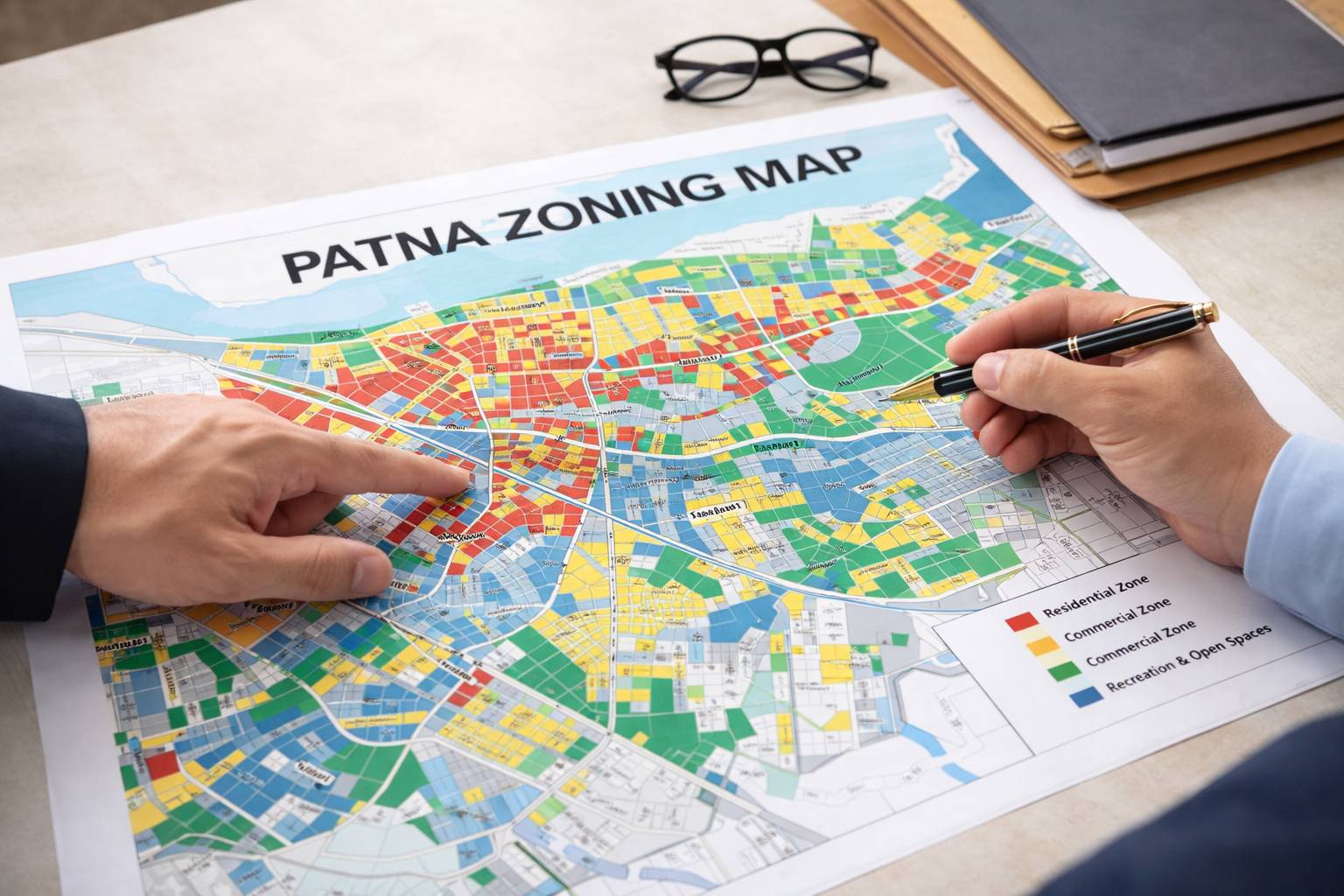
Patna follows defined zoning regulations under its urban master plan. Each plot is designated for residential, commercial, or mixed use development. Before preparing any design, confirm land use classification, floor area ratio, height limits, and mandatory setbacks.
Non compliance with zoning norms can lead to rejection of plans, financial penalties, and demolition orders, making regulatory validation essential at the planning stage.
3. Statutory Approvals and Regulatory Clearances
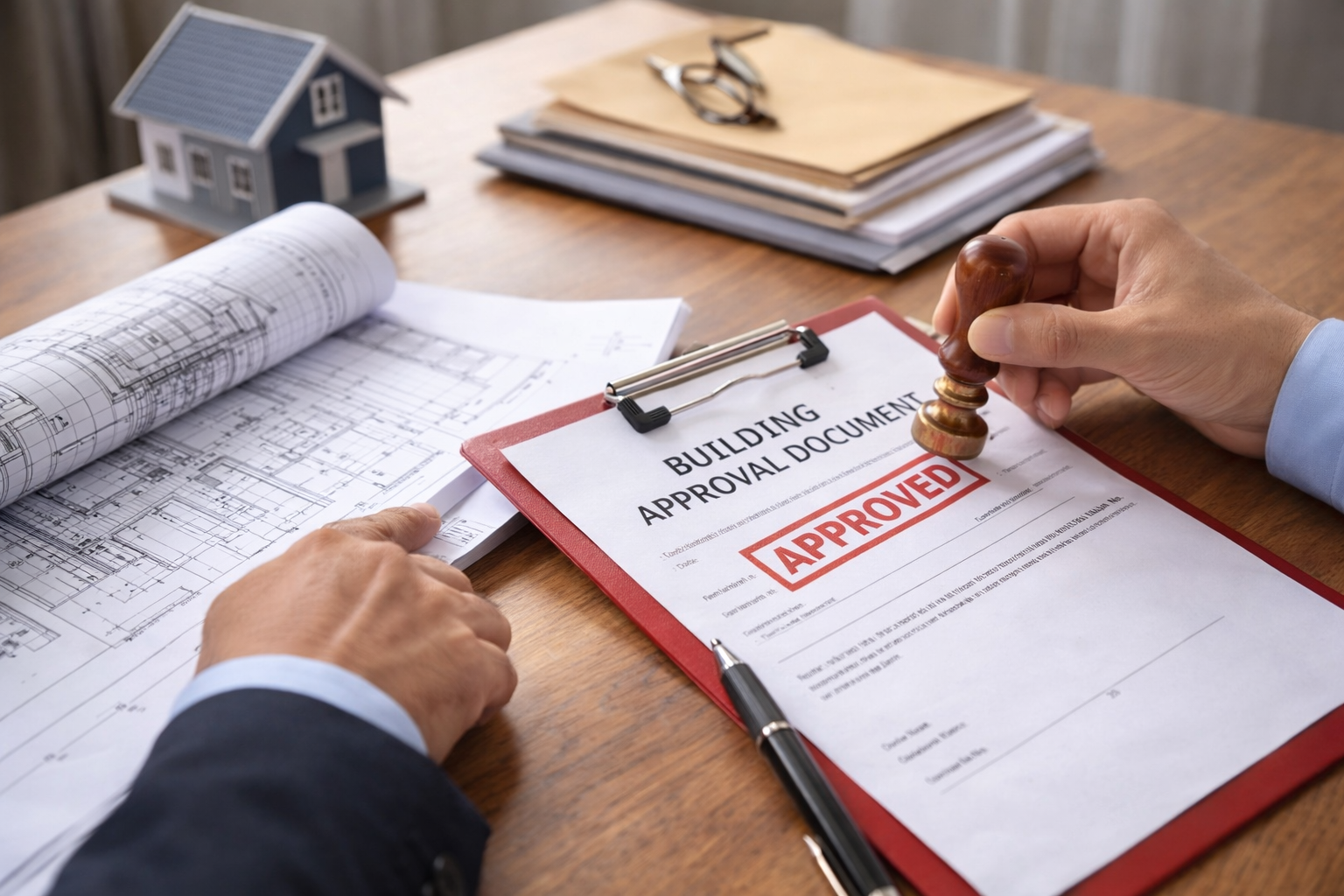
Construction must begin only after receiving building plan sanctions from the municipal authority. Fire safety approvals, environmental permissions for larger developments, and utility connections for water, electricity, and sewerage are mandatory.
Starting work without approvals can result in stoppage orders, legal action, and permanent delays that directly affect project credibility and cost.
4. Soil Testing and Structural Planning
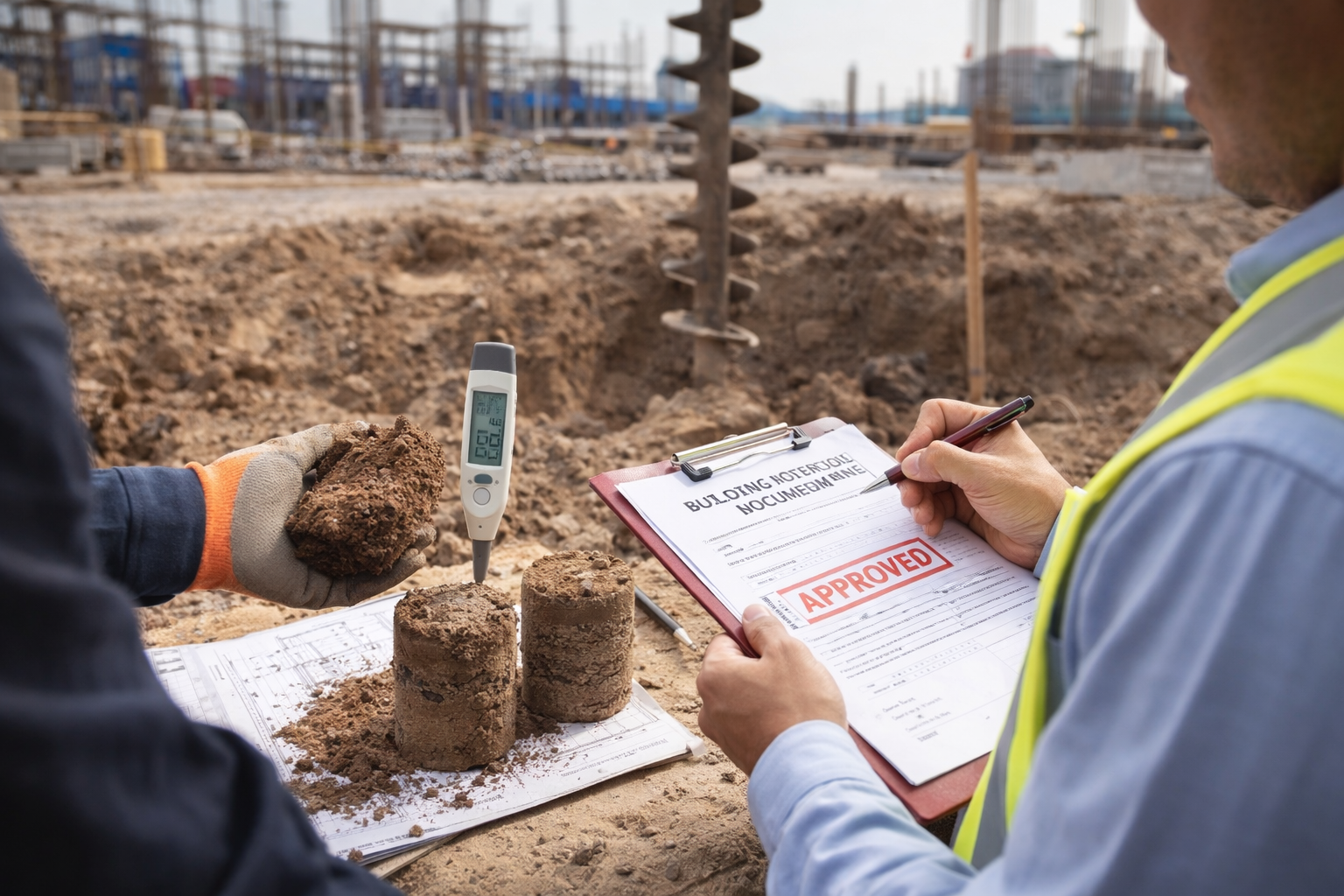
Soil conditions in Patna vary significantly, especially near river belts and low lying areas. A professional soil test determines load bearing capacity, groundwater level, and foundation type.
Structural design based on accurate soil data ensures safety, longevity, and compliance with engineering standards. This step is non negotiable for high rise and luxury developments.
5. Infrastructure, Accessibility, and Future Growth
Location must be evaluated not only for present convenience but for long term development. Road width, public transport access, proximity to hospitals, schools, and commercial hubs directly influence livability and asset appreciation.
Properties aligned with upcoming infrastructure corridors and planned townships consistently outperform in both capital growth and lifestyle value.


6. Construction Quality and Long Term Durability
Inferior materials and unverified contractors may reduce short term costs but significantly increase long term maintenance and risk. High grade materials, certified engineers, waterproofing systems, and proper drainage ensure structural stability and market value.
Quality construction directly influences resale, rental performance, and the reputation of the project in the premium segment.
Conclusion
Constructing a property in Patna is a long term financial and lifestyle decision. Legal clarity, regulatory compliance, soil safety, infrastructure evaluation, and construction quality together define whether a project becomes a stable asset or a future liability.
When construction is guided by expertise, transparency, and strategic planning, the result is not merely a building, but a property that delivers enduring value for generations.